
Mandala coloring can be approached as a simple practice of noticing.
The page gives us shapes, repetition, symmetry, and color, while the act of coloring gives us something concrete to follow one section at a time.

A simple return to the page
The page is still.
The lines are already there.
We only need to make one small choice: where to begin and which color to use.
From there, the design starts to respond.
One shape suggests another. One repeated section invites a second. A color appears in one place and can return somewhere else around the circle.
Mindfulness, in this context, can remain very simple: noticing what we are doing while we are doing it.
Why mandalas give attention something to follow
A mandala already contains a visual structure.
- A center gives the composition a reference point
- Symmetry connects one part of the page with another
- Repetition creates shapes we can recognize and revisit
- The circular form keeps the different sections related to the whole
We do not need to invent the entire image.
We can simply notice the structure that is already there and decide how color will move through it.

This visual structure is explored more closely in the power of symmetry in mandala designs.
The rhythm comes from repetition
Repetition is one of the easiest things to notice while coloring a mandala.
A petal appears again. A curve returns on the opposite side. A shape repeats around the center.
We can choose to repeat the same color, introduce a variation, or break the pattern completely.
The design gives us a rhythm, but it does not decide the final result for us.
That balance between structure and choice is what makes the page interesting to return to.
Color gives us something concrete to notice
Coloring keeps our attention connected to visible decisions.
Which color comes next?
Should it repeat?
Does the next section need contrast, continuity, or something completely different?
Small choices begin to affect the whole composition.
A color that seemed isolated at first can become part of a larger pattern once it appears again elsewhere.
The page changes while we are watching it change.
A short coloring practice
There is no special setup required.
A simple starting point can be:
- One mandala
- A small group of pencils or markers
- A place where the page can stay in front of us for a few minutes
- No pressure to finish
Begin wherever your eye naturally lands.
Notice the first shape, choose a color, and see where the same form appears again.
Let the next choice come from what is already happening on the page.
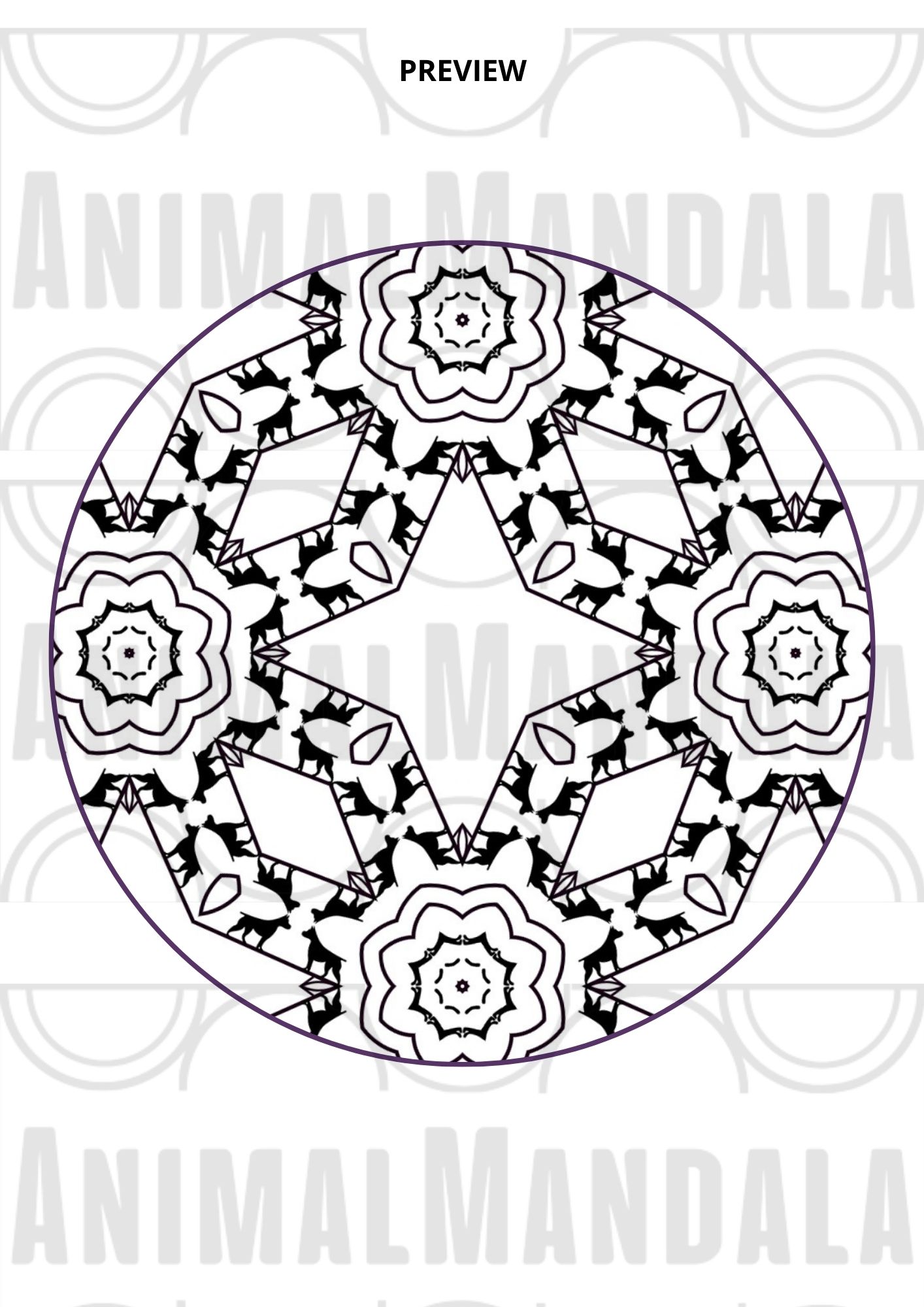
You can try this with the free 4-week AnimalMandala experience, where one design can be explored through different seasonal color directions.
Mindfulness does not require a perfect result
A mandala does not need to be finished beautifully to make the process worth exploring.
A color can change halfway through.
A repeated section can become different from the others.
A palette can move in a direction we did not plan.
The interesting part can simply be noticing those decisions as they happen.
The page becomes a record of choices rather than a test of correctness.
Different moments can create different pages
The same mandala does not have to look the same every time we color it.
One day we may choose only a few colors.
Another time we may want strong contrasts, softer transitions, or colors inspired by the natural world.
This makes repetition interesting beyond the structure of the mandala itself.
We can return to the same design and still discover a different visual path.
Where AnimalMandala adds another layer
AnimalMandala brings recognizable animal silhouettes into this circular structure.
The animal becomes part of the repetition, while the surrounding space gives color more room to expand.
A fox can suggest forest colors.
A dolphin can open into the colors of the sea.
A butterfly can invite flowers, light, air, and seasonal palettes.
The mandala gives us the structure. The animal gives us a world to explore through color.
To see how these designs are built, continue with What are animal mandalas?.
A simple way to begin
- Choose a mandala that catches your attention
- Notice its center and repeated forms
- Start with a small group of colors
- Let one choice suggest the next
- Notice how the whole page changes as the colors accumulate
There is no particular state we need to reach.
We can simply spend a little time with the page, the colors, and the choices in front of us.