
What no one tells about animal mandalas
Hello, creative souls!
Let’s begin with something simple: the phrase “animal mandala” is often used for very different kinds of designs.
I searched for true animal mandalas that could express the harmony of symmetry, the beauty of circular balance, and the creative connection between animals and nature.
If you want to explore the idea itself before going deeper into this story, read What are animal mandalas?
What I kept finding instead were zentangle-style animals.
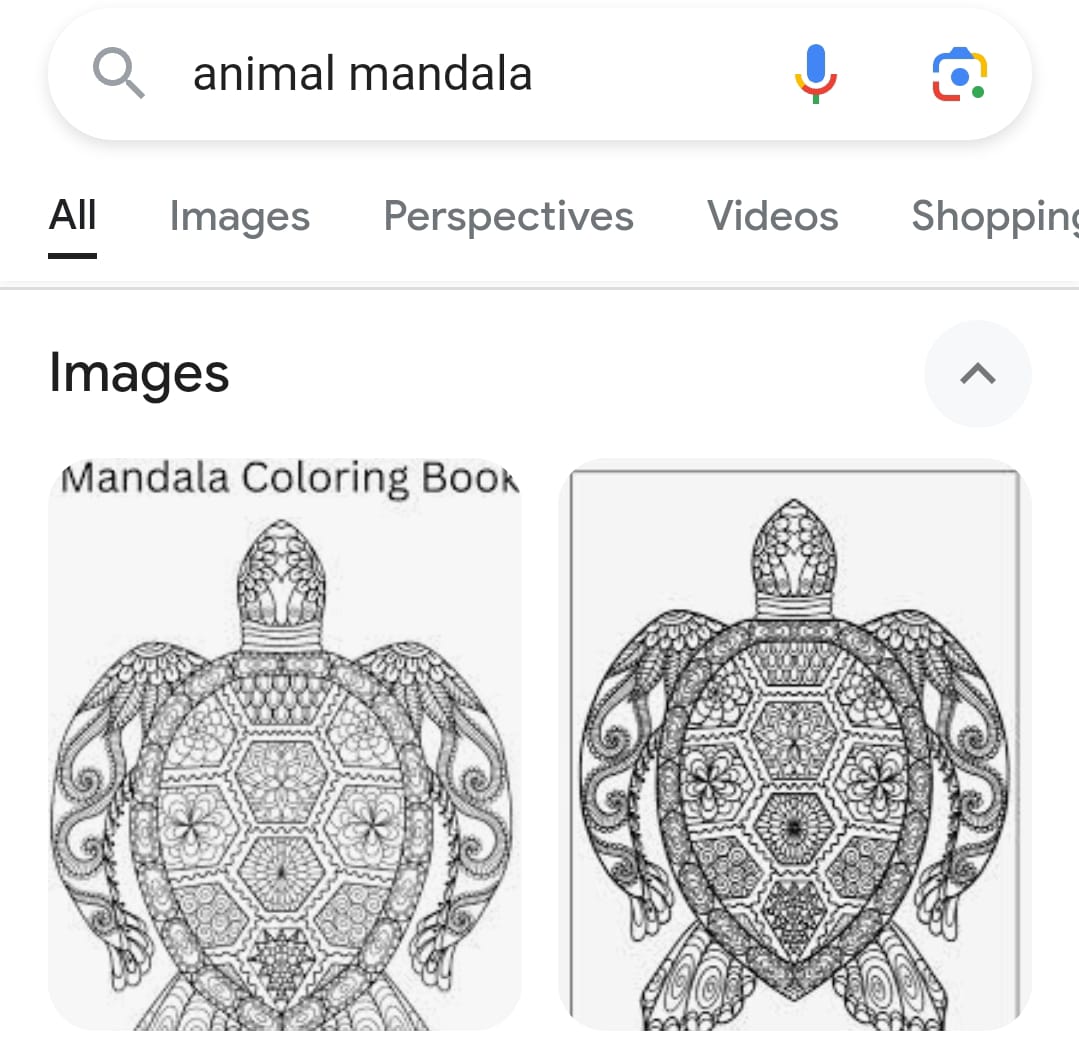
Zentangle-inspired animal art has its own visual appeal.
It can be intricate, decorative, and striking. Yet many of these designs create a very different coloring experience from the one people often expect when they look for animal mandalas.
That difference matters. It affects how the page feels, how color flows, and how easily we can connect with the design.
The experience changes completely when symmetry, space, and visual rhythm change.
Why zentangle-style animals and mandala-based designs feel so different, and why that difference matters for coloring?
Zentangle-style animals follow a very different visual logic
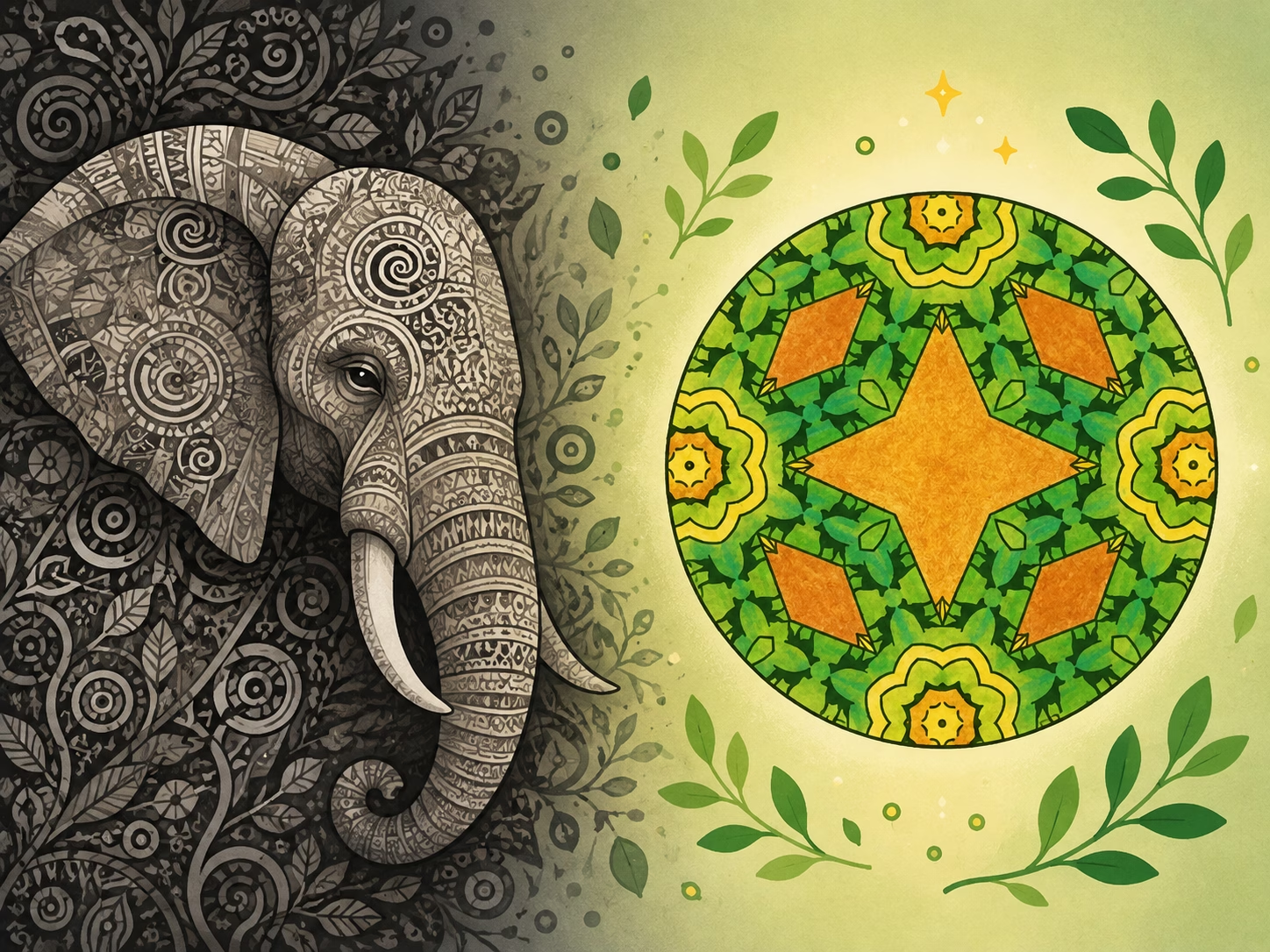
Mandalas are rooted in symmetry, circular balance, and radiating structure. Their strength comes from order, rhythm, and a visual center that guides the eye.
Zentangle-style animal designs often move in another direction, filling the animal itself with dense, intricate patterns and surface detail.
That changes the way the page feels. Instead of opening into space, the design can feel visually packed, highly detailed, and more demanding to color.
Dense patterning can overwhelm, while symmetry creates visual breathing room
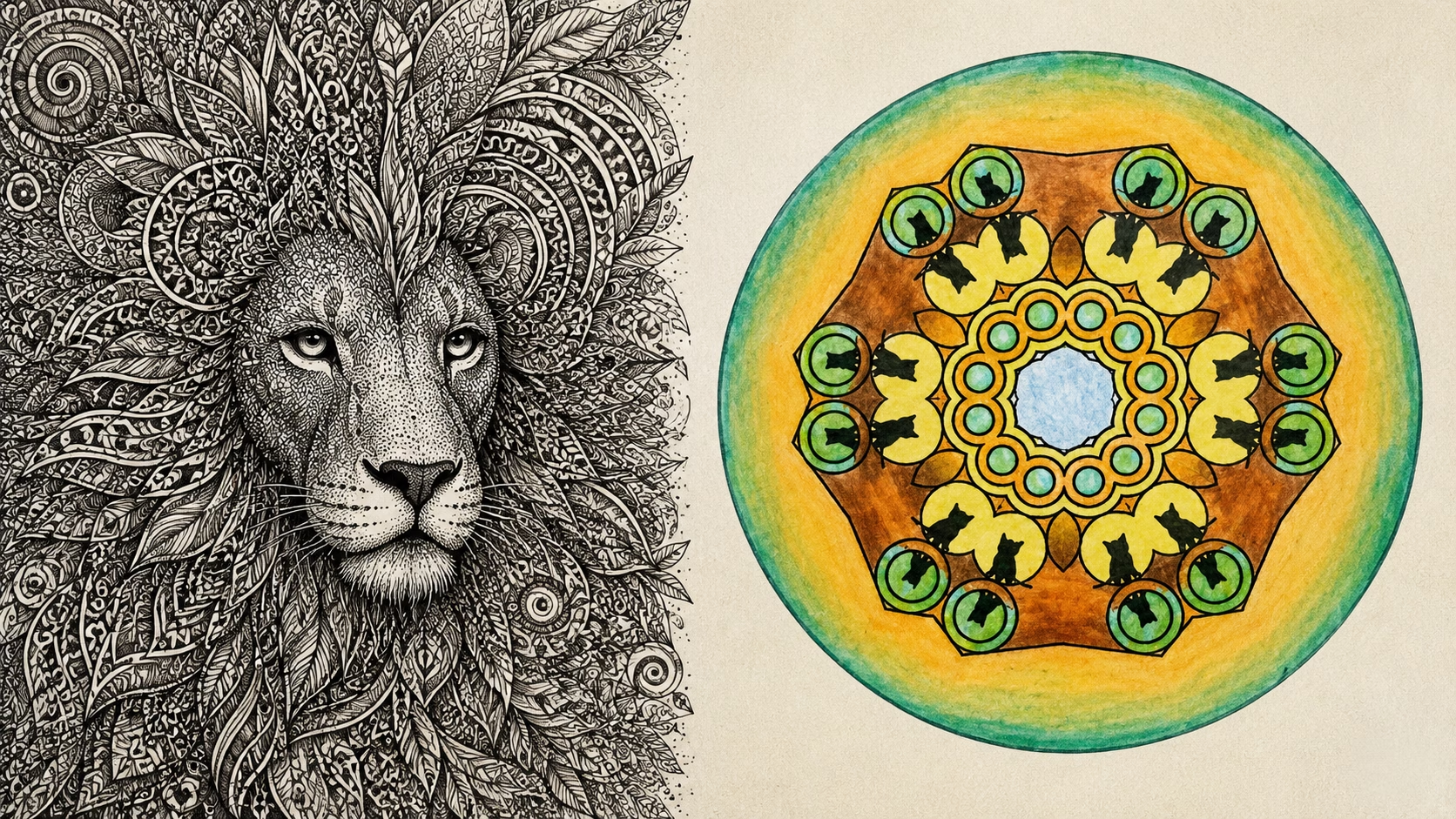
Many people look for mandalas because they want a sense of order, repetition, and visual ease.
When a page is crowded with tiny internal patterns, coloring can start to feel more technical, more fragmented, and less fluid.
True mandala structure helps the eye settle. It gives the composition a center, a rhythm, and a clearer path for attention and color.
That circular structure is explored more closely in Round shaped animal mandalas, where the shape itself becomes part of the coloring experience.
From animal silhouette to circular mandala
Every AnimalMandala starts with an animal silhouette and slowly becomes something else.
I move it, repeat it, rotate it, balance it, try again, remove what feels wrong, and keep going until the animal and the mandala finally feel like the same thing.
At first, it is still just an animal.
Then repetition starts to change it.
Shapes begin to answer each other. Empty spaces become part of the composition. The center starts to appear. And little by little, the animal stops sitting inside the mandala.
It becomes the mandala.
I did this 750 times.
One animal after another.
Some worked almost immediately. Others needed endless small adjustments before the symmetry finally felt right.
Those 750 mandalas became the heart of AnimalMandala. Later I organized them into WORLD, the different COLLECTIONS, and eventually AniMandaLand.
And then AI entered the story
I have never wanted to hide that part.
AnimalMandala has grown together with AI.
I use AI tools to help me think, research, write, code, create images, make videos and audio, experiment with palettes, and build the different experiences across the site.
In many ways, AI gave me the possibility to turn an idea that started with a few animal silhouettes into an entire world.
But the 750 original mandalas came first.
They were made one by one, by hand, through the process you just saw.
Everything else keeps growing around them.
Nature-inspired color needs space to expand
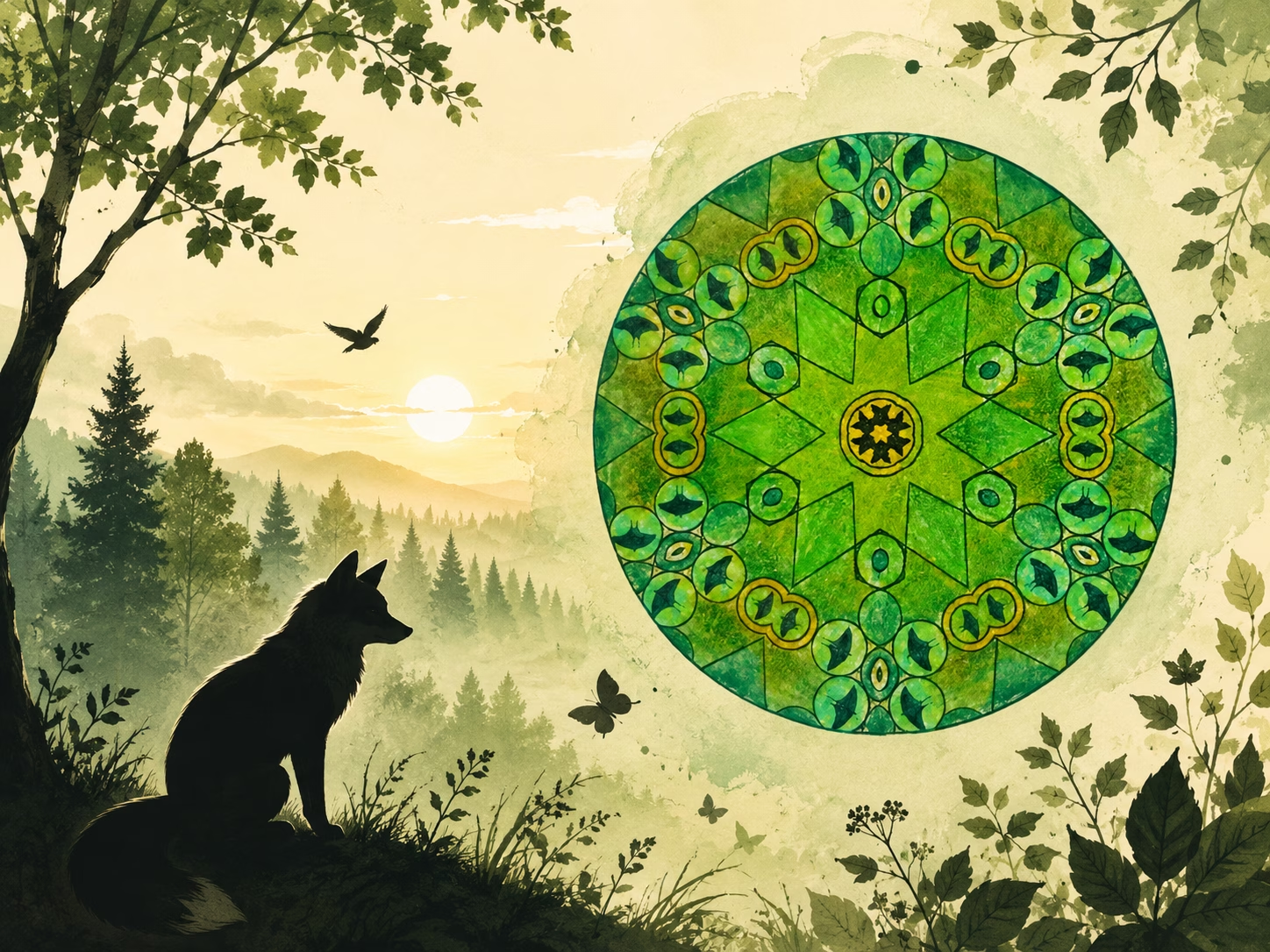
When we color an animal mandala, we often want to draw from the beauty of the natural world.
✔ The vibrant blues and oranges of a coral reef.
✔ The gentle pinks and yellows of a sunrise.
That kind of palette works best when the design leaves room for atmosphere, contrast, and background expression.
AnimalMandala opens that space. The silhouette of the animal becomes the center, while color can unfold around it in a way that feels richer, more natural, and more expressive.
The beauty of animals grows stronger when nature remains part of the page
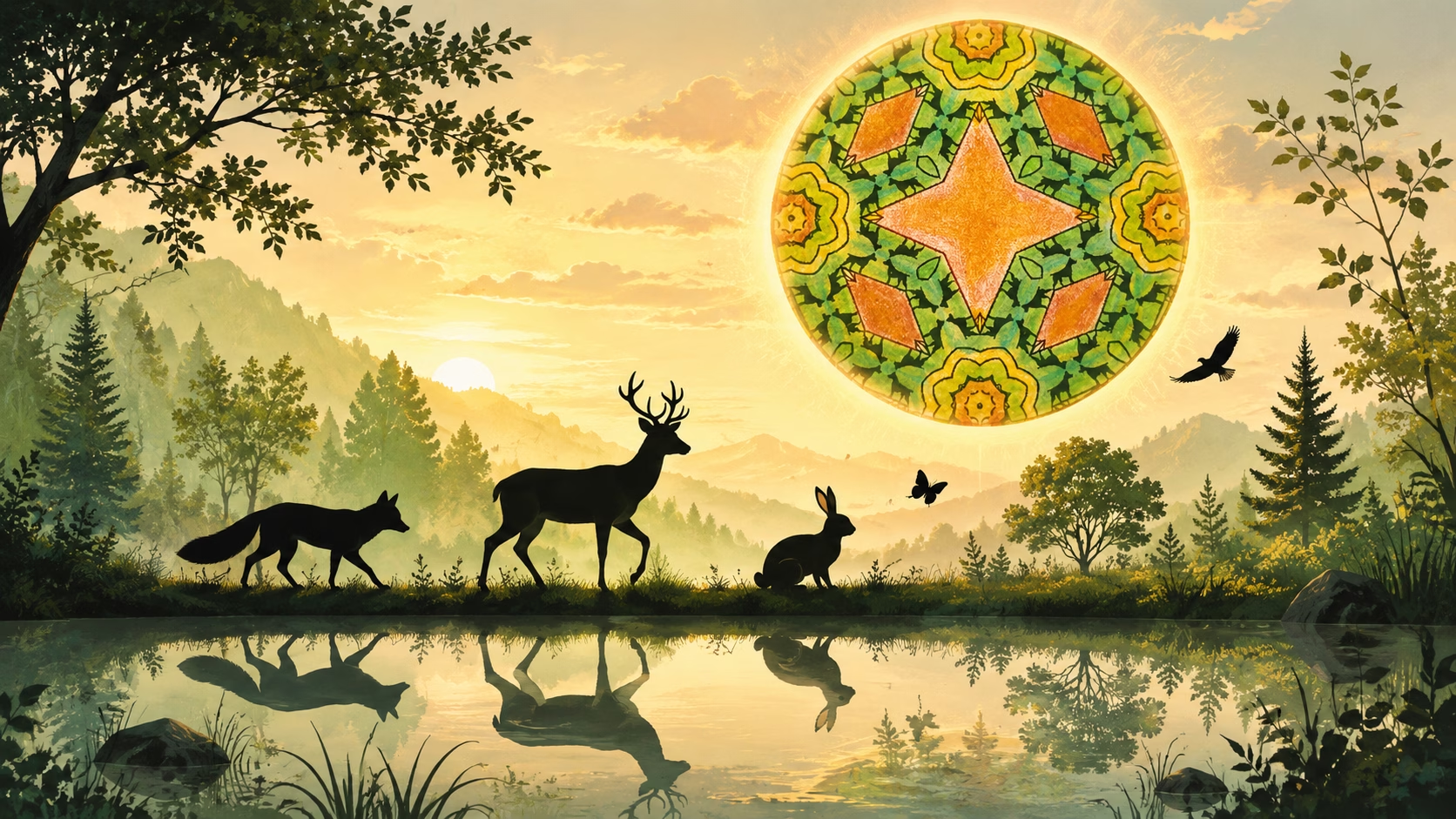
An animal mandala can become much more powerful when the design keeps a living connection to the world that inspired it.
A fox can suggest forest tones. A dolphin can open into the colors of the sea. A butterfly can invite floral palettes, light, softness, and air.
This is the idea behind AnimalMandala. Circular symmetry, strong silhouettes, and open space work together to create pages that celebrate animals, color, and the beauty of nature in one unified experience.